

How Do Interior Designers Work with Contractors? | Modular Kitchen & Wardrobe Experts – QR8 Living
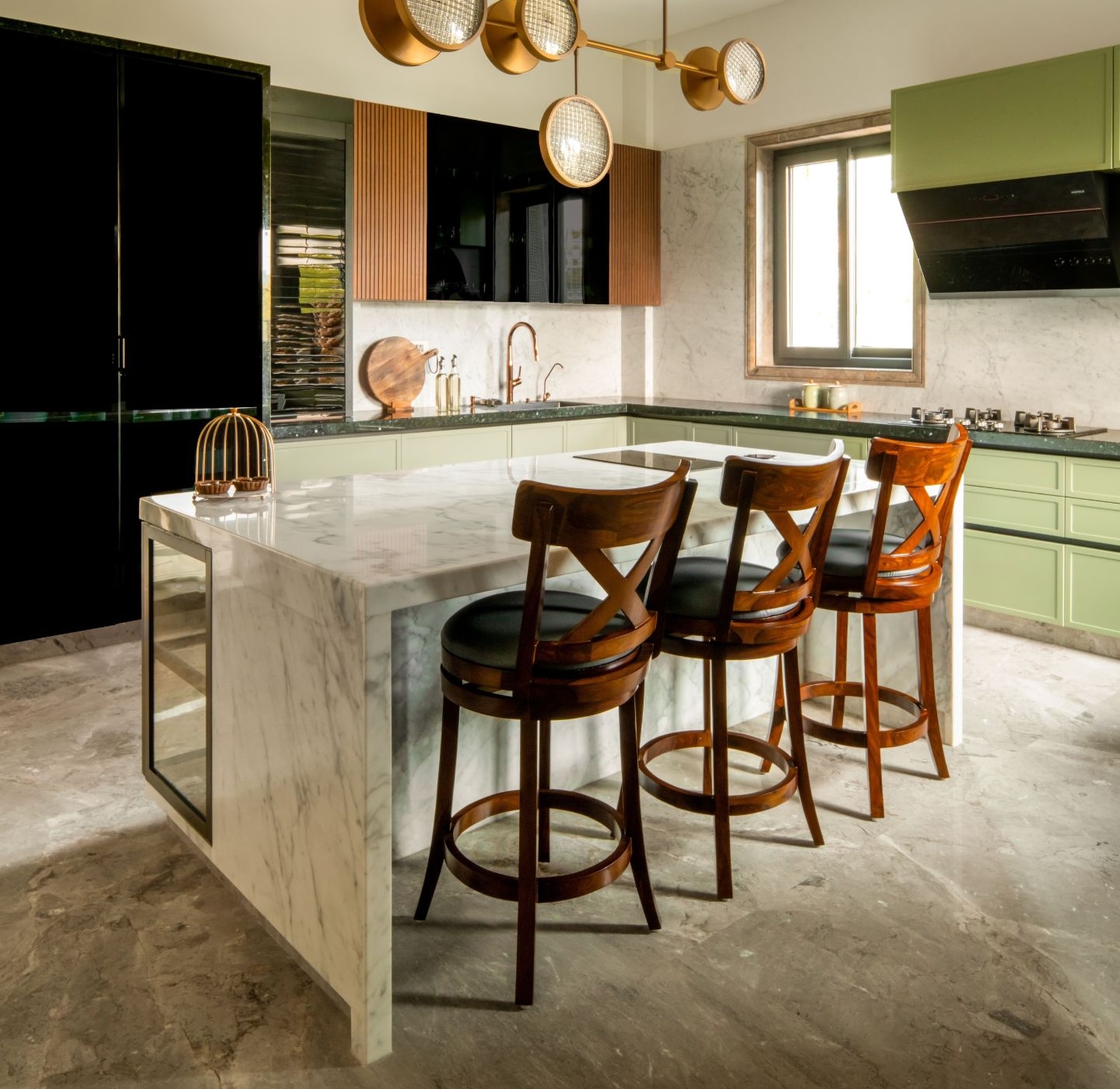
How Do Interior Designers Work with Contractors?
A Complete Collaboration Guide by QR8 Living
Designing a beautiful home goes far beyond selecting colors or furniture. Behind every stunning modular kitchen and wardrobe, elegant kitchen wardrobe wooden finish, and well-crafted luxury furniture, there is strong coordination between interior designers and contractors.
At QR8 Living (qr8living.com), we believe that seamless collaboration is the foundation of successful interior projects. This guide explains how interior designers work with contractors, what the process looks like, and why this partnership directly benefits homeowners.
1. Introduction: The Importance of Designer–Contractor Collaboration
A well-designed home is the result of creative vision meeting technical execution. Interior designers conceptualize the space, while contractors bring that vision to life. When both work in alignment, homeowners receive interiors that are not only visually appealing but also durable and functional.
For complex elements like modular kitchen and wardrobe systems or custom luxury furniture, coordination becomes even more critical.
2. Understanding the Roles: Interior Designer vs Contractor
Clear roles ensure smooth execution and accountability.
Role of an Interior Designer
-
Space planning and layout optimization
-
Designing modular kitchen and wardrobe solutions
-
Material selection (wood, laminates, finishes)
-
Lighting, color schemes, and décor planning
-
Creating drawings, 3D views, and execution details
Role of a Contractor
-
Civil modifications and site preparation
-
Electrical and plumbing implementation
-
Carpentry for kitchen wardrobe wooden units
-
Installation of modular and custom furniture
-
Managing labor, timelines, and safety
At QR8 Living, designers and contractors work as one team, ensuring design accuracy at every stage.
3. How Interior Designers Plan Modular Kitchen and Wardrobe Projects
A modular kitchen and wardrobe is one of the most technical areas of home interiors. Designers start with:
-
Detailed site measurements
-
Understanding client cooking and storage habits
-
Planning ergonomic layouts
-
Selecting modular units, shutters, and accessories
Once the design is finalized, contractors receive precise drawings and specifications, ensuring flawless installation.
4. Contractor Coordination for Wooden Kitchens & Wardrobes
For homes that prefer warmth and elegance, kitchen wardrobe wooden designs remain a top choice. These require extra precision.
Designers coordinate with contractors to:
-
Select the right wood type or engineered wood
-
Ensure moisture resistance and durability
-
Maintain uniform finishes and grain patterns
-
Achieve seamless joins and premium detailing
This collaboration prevents warping, uneven finishes, or long-term maintenance issues.
5. Design-to-Execution Workflow Explained
Here’s how interior designers and contractors typically work together:
-
Step 1: Design Finalization
Designers finalize layouts, materials, and furniture designs.
-
Step 2: Technical Review
Contractors review drawings and flag execution challenges early.
-
Step 3: Cost Estimation
Both teams align on material costs, labor, and timelines.
-
Step 4: Execution Planning
Work is scheduled in phases to avoid delays and rework.
This structured approach is especially crucial for luxury furniture and custom interiors.
6. Communication and Site Management
Interior designers act as the single point of contact between homeowners and contractors. This avoids confusion and ensures clarity.
Communication methods include:
-
Regular site visits
-
Daily progress updates
-
Issue resolution meetings
-
Design revisions when required
At QR8 Living, transparency is key—clients stay informed without being overwhelmed.
7. Budget Planning for Luxury Furniture & Interiors
Many homeowners assume hiring both a designer and contractor is expensive. In reality, it saves money.
Designers help contractors by:
-
Avoiding unnecessary material wastage
-
Preventing costly mistakes
-
Suggesting value-engineered alternatives
-
Planning purchases efficiently
This is particularly helpful when investing in luxury furniture, where quality and finish matter most.
8. Quality Control and Finishing Standards
Quality is where designer–contractor collaboration truly shines.
Interior designers ensure:
-
Finishes match the approved samples
-
Modular kitchen and wardrobe alignments are perfect
-
Wooden furniture has smooth edges and durable coatings
-
Final interiors reflect the original design vision
Contractors execute these details with precision under designer supervision.
9. Common Challenges and How Experts Solve Them
-
Design Changes During Execution
Handled through revised drawings and budget approvals.
-
Material Availability Issues
Designers suggest alternatives without compromising aesthetics.
-
Site Constraints
Contractors adapt execution methods while designers adjust layouts.
Experienced teams like QR8 Living anticipate challenges before they become problems.
10. Why Choose QR8 Living for End-to-End Interiors
At QR8 Living (qr8living.com), we specialize in:
-
Modular kitchen and wardrobe solutions
-
Kitchen wardrobe wooden designs
-
Bespoke luxury furniture
-
Complete interior design and execution
Our designers and contractors work under one system, ensuring:
-
On-time delivery
-
Superior craftsmanship
-
Transparent pricing
-
Stress-free experience for homeowners
11. Frequently Asked Questions (FAQ)
Yes, designers coordinate and supervise contractors to ensure design accuracy and quality.
Absolutely. We offer standalone and complete interior solutions.
Designers usually guide material selection, while contractors manage procurement and installation.
With proper finishes and professional installation, kitchen wardrobe wooden designs are durable and easy to maintain.
Typically 3–5 weeks, depending on design complexity and site conditions.
It can be both. Designers recommend the best option based on space and budget.
Designers and contractors reschedule phases to minimize impact.
Yes, our designers can collaborate with client-appointed contractors.
No. Designers handle supervision and provide regular updates.
Yes. It ensures better planning, execution, and long-term value.
Conclusion
The collaboration between interior designers and contractors is what transforms a house into a well-crafted home. From modular kitchen and wardrobe systems to kitchen wardrobe wooden finishes and elegant luxury furniture, every detail depends on teamwork.
With QR8 Living, you don’t just get interiors—you get expertise, coordination, and peace of mind.